M134 Class Weapon SystemsWhat GovernmentBuyers Should Know

A technical overview for military organizations, government agencies, prime contractors, and platform integrators evaluating M134-class weapon systems

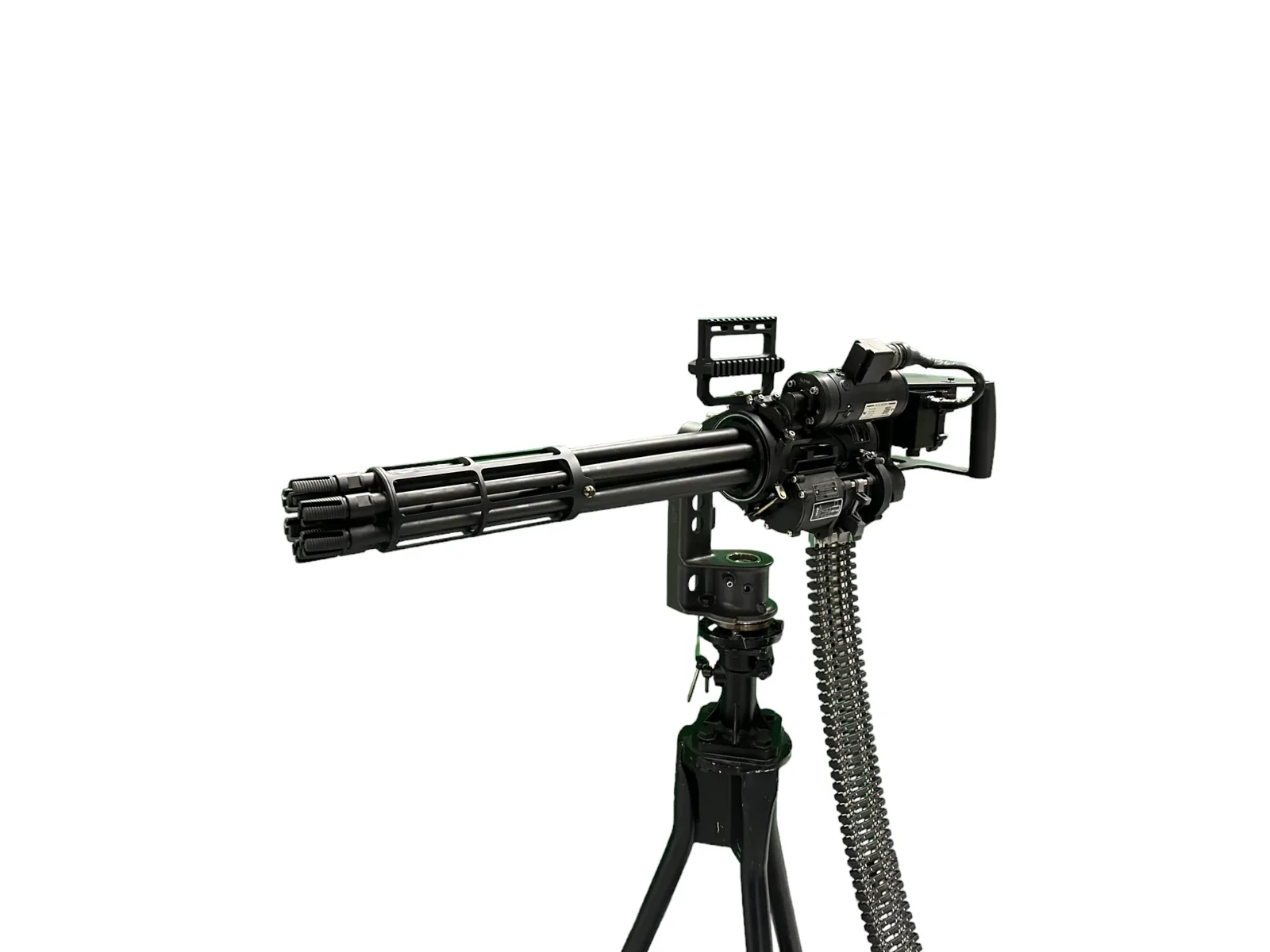
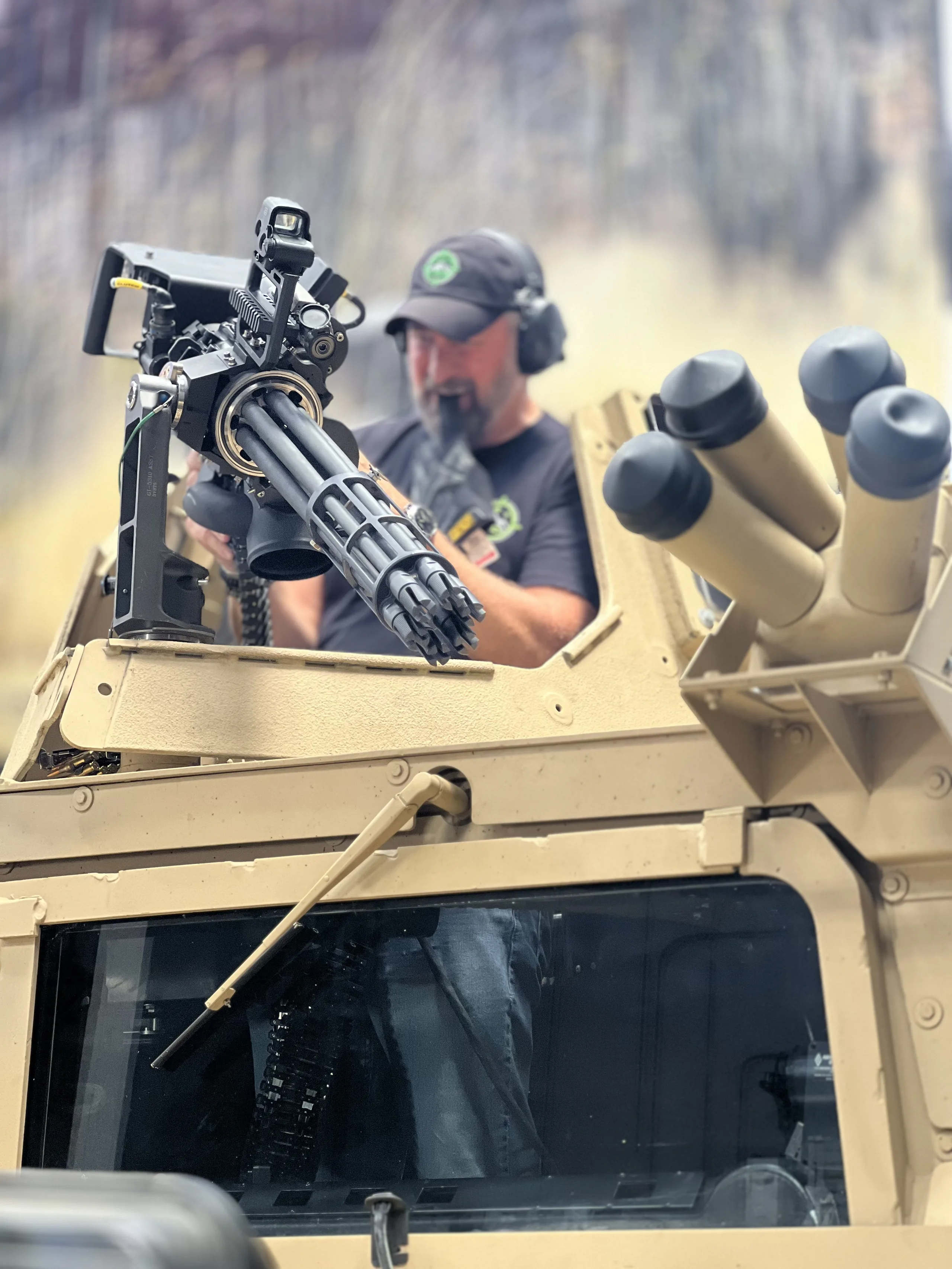
Crew-served M134-class weapon system on its mount

UnderstandingThe M134-Class

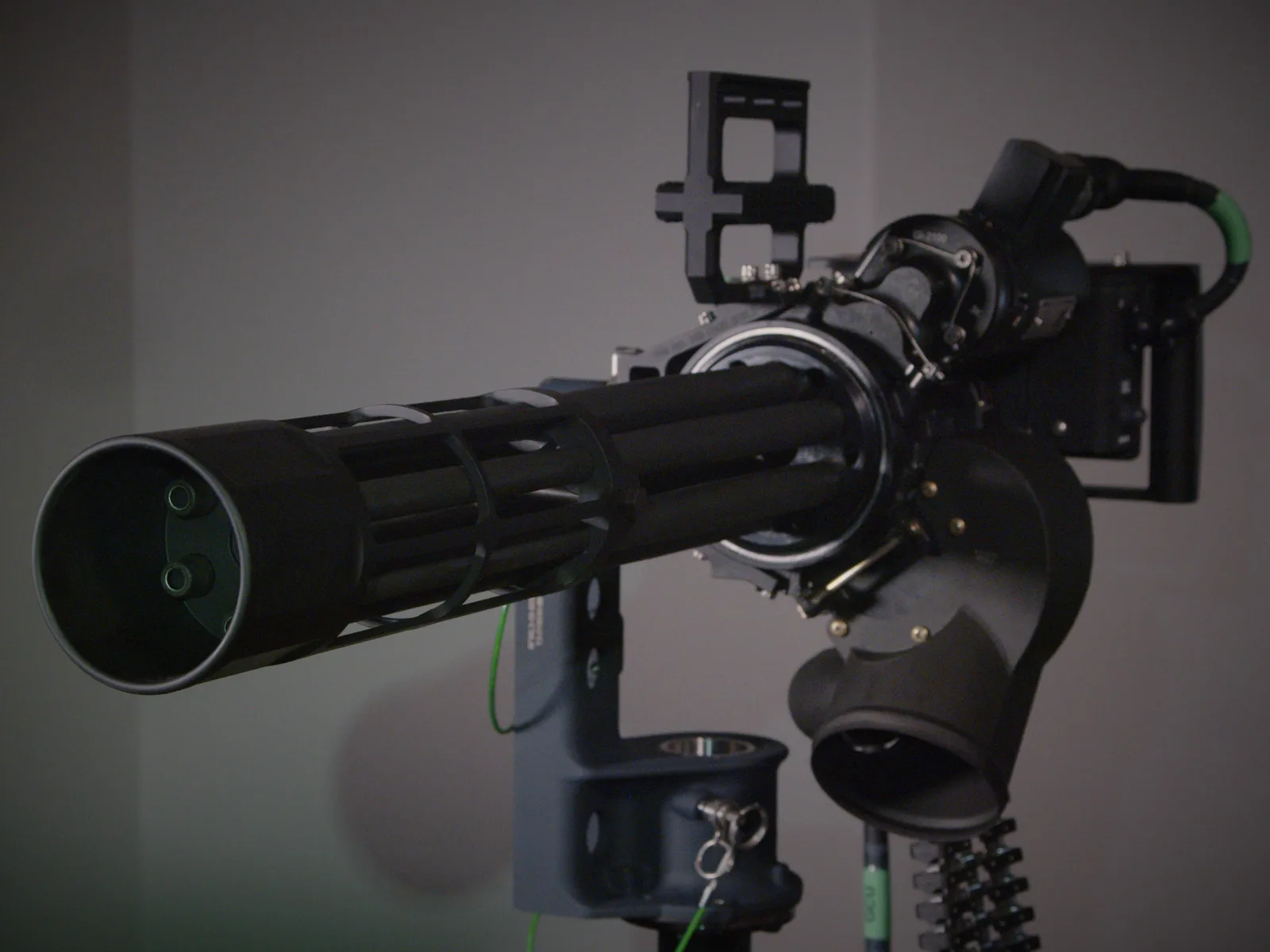
The M134-class weapon system is an electrically driven, six-barrel, 7.62x51mm NATO rotary machine gun designed to deliver sustained, high-volume fire. Originally developed for military aviation, today's M134-class systems are employed across rotary-wing aircraft, tactical vehicles, maritime platforms, fixed defensive positions, and remote weapon stations.

While modern systems share the proven operating principles of the original M134, they differ significantly in engineering, manufacturing, safety features, reliability, maintainability, and lifecycle support. Evaluating those differences is just as important as comparing specifications.
Key Considerations When Evaluating an M134-Class Weapon System

Selecting a weapon system extends beyond comparing rate of fire or published weight. Government acquisition professionals and system integrators should evaluate the complete capability provided by the manufacturer.

01

Engineering and Design

Look beyond legacy specifications and understand how the system has evolved. Modern improvements in safety, ammunition handling, controls, diagnostics, and maintainability can significantly improve operational effectiveness while reducing maintenance requirements over the life of the system.

02

Reliability and Testing

Ask how the weapon system has been validated: developmental testing, live-fire validation, environmental qualification, acceptance testing, and quality assurance processes performed before delivery.

03

Platform Integration

Every platform has unique structural, electrical, and operational requirements. Evaluate the manufacturer's experience integrating weapon systems across aircraft, tactical vehicles, maritime vessels, remote weapon stations, and fixed defensive positions.

04

Sustainment and Lifecycle Support

Procurement is only the beginning of a weapon system's service life. Consider the manufacturer's ability to provide spare parts, technical support, training, repair services, engineering assistance, and long-term product support. A capable sustainment program helps maximize system availability and reduce lifecycle costs.

05

Manufacturing and Quality

Look for manufacturers with established quality management systems, documented inspection procedures, material traceability, and live-fire acceptance testing. Certifications such as ISO 9001 and adherence to recognized military testing standards demonstrate a commitment to consistent product quality.

06

Product Evolution

A weapon system should continue to improve throughout its service life. Consider whether the manufacturer actively invests in research and development, incorporates operator feedback into future designs, and demonstrates a history of meaningful product improvements rather than simply reproducing legacy designs.

Legacy Architecture vs Modernized Systems

The legacy 7.62 NATO minigun architecture dates back decades; modernized systems in the class redesign its documented failure points rather than reproducing the pattern.

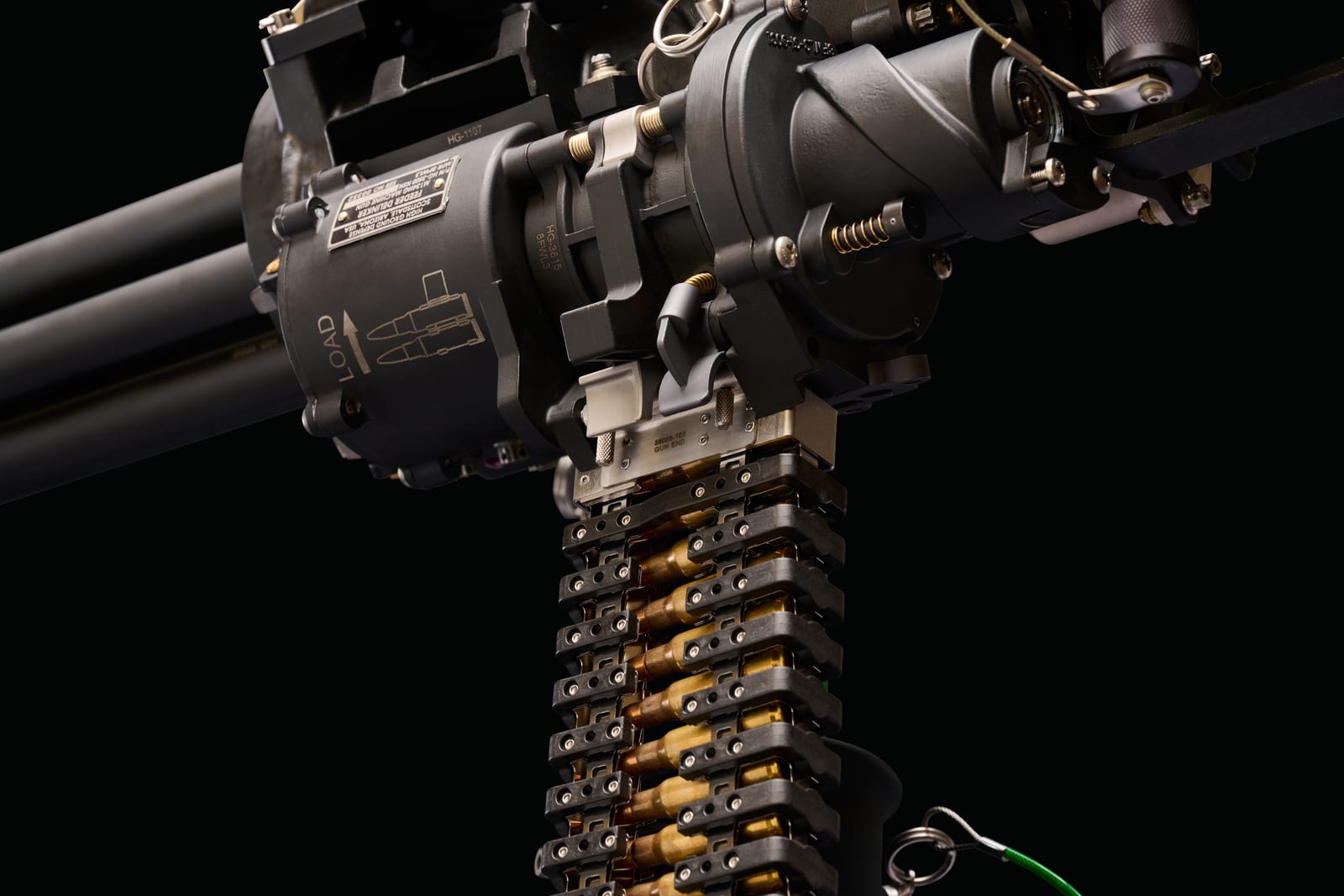
Earlier electrically-driven rotary systems carried known operator burdens: multi-handed loading, safing that requires two hands or tools, and liquid-lubricated internals that jam in sand and dust. The M134HG modernizes the proven M134 platform with safing and feeder innovations, driven by the operators who maintained legacy systems for decades. This is the honest comparison frame: architecture generation, not brand.

What Separates Systems in the M134 Class

Systems in the M134 class differ on eight evaluation axes: rate control, configured weight, safing architecture, feed and loading design, surface treatment, documented testing, manufacturer support, and export and delivery.

Use these questions to guide a side-by-side evaluation. Confirm each answer against your program requirements, supporting specifications, test evidence, and lifecycle support before selecting a system.

  1. 01

    Rate control

    Is the firing rate fixed or operator selectable, and is it selectable without tools or disassembly?

  2. 02

    Configured weight

    Are published weights configuration-labeled (gun only vs complete with feeder and exhaust)? A single unlabeled number cannot be compared honestly.

  3. 03

    Safing architecture

    Can the gun be safed single-handedly, with visible arm state, and mechanically locked?

  4. 04

    Feed and loading

    How many hands does loading require, and does the feeder design retain the belt during the sequence?

  5. 05

    Surface treatment

    Does the system depend on liquid lubricants, with their jamming risk in sand and dust, or on a dry-lubrication technology?

  6. 06

    Testing evidence

    What round count backs the design, what acceptance testing does each delivered gun complete, and to which MIL-STD are the electronics qualified?

  7. 07

    Support and training

    Does training come from the manufacturer, and what are the warranty terms in rounds and years?

  8. 08

    Export and delivery

    Is the system available through Foreign Military Sales and Direct Commercial Sales, from an ITAR-compliant manufacturer, and how is each international transfer licensed?

The Specification Evaluation Table

A useful comparison table for crew-served 7.62 NATO rotary systems holds configuration-labeled values, dual units, and sourced figures; any unlabeled number is a red flag, not a data point.

M134-class system evaluation criteria
M134-Class System Evaluation Criteria
Firing rateRates in rpm and whether selection needs tools
WeightEvery figure configuration-labeled, dual units
LengthPer configuration (crew served vs fixed forward)
Barrel optionsLengths and weights per barrel, service life per set
ElectricalVoltage and current draw at the platform interface
TestingDesign round count, per-delivery acceptance test, MIL-STD qualification
TraceabilityCertificates of Conformance on manufactured parts
WarrantyYears and round count, exclusions stated
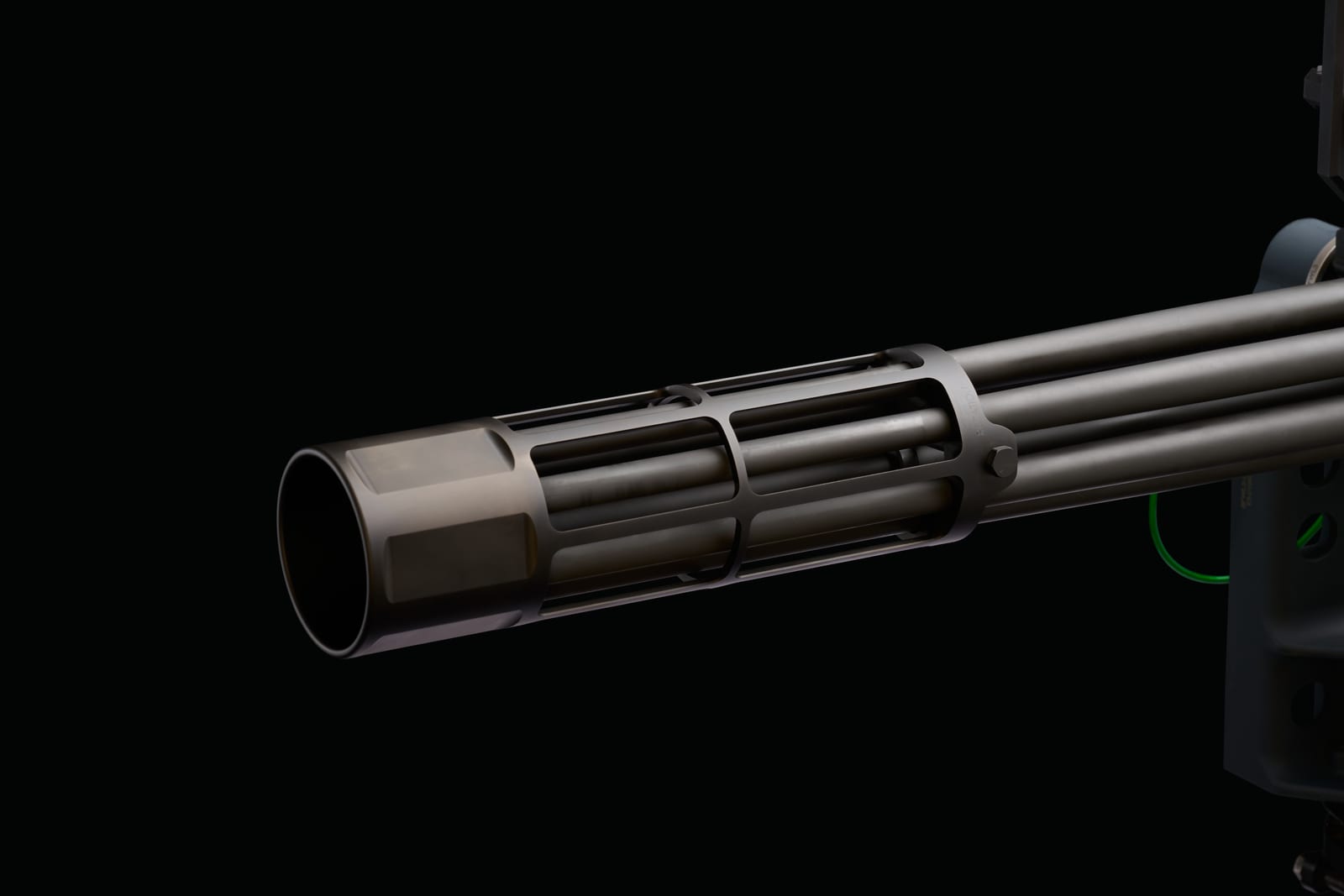
Barrel cluster of an M134-class weapon system

Lifecycle Cost Factors

Lifecycle cost in this class is driven by barrel and component service life, lubrication logistics, and the labor a design demands, not by acquisition price alone.

Run the math.

An evaluator can compute most of it from published figures: barrel life per set, gun life, warranty round count, and whether the system requires liquid-lubricant resupply and its handling burden. Where a vendor publishes no service-life figures, that absence is itself information. This guide makes no cost claims about any manufacturer; it lists the math a program office can run with each vendor's own numbers.

Evaluation Questions

What is an M134-class weapon system?

An electrically driven 7.62x51mm NATO rotary gun built on the six-barrel M134 pattern, in service in various forms for decades.

What rate of fire should an M134-class system have?

The class standard is a high rate near 3,000 rounds per minute; modernized systems add an operator-selectable low rate for ammunition endurance. Whether selection requires tools is the differentiating question.

How should minigun weights be compared?

Only with configuration labels: gun-only weight and complete-system weight are different numbers, and vendors quoting a single figure may be quoting different configurations.

Does barrel length matter in evaluation?

Yes: barrel options set platform fit and employment envelope, and barrel service life per set is a direct lifecycle cost input.

How do allied forces procure systems in this class?

Through Foreign Military Sales or Direct Commercial Sales, from ITAR-compliant manufacturers; export licensing governs every international delivery.

Evaluate the M134HG Against These Criteria

The M134HG's published values for every criterion above are on its system page and data sheet. A capability brief walks your program through them line by line.